Xiamen Zopin New Material Limited Established in 2011, it is a new material industry with capabilities of independent research & development, production and sales as one. Our ISO9001:2012 factory covers an area of 6 hectares and a building area of 28,000 square meters, with annual production of high-performance metal foams of 250,000 square meters. Our R&D team is composed of academicians and experts from Tsinghua University, Polytechnic University of Hong Kong, Nanyang Technological University, and other domestic and foreign metal foam professionals. After many years’ endeavor, we now own our proprietary intellectual property rights in manufacturing high purity and high porosity metal foams.
Graphite Foams: Advanced Materials for High-Performance Thermal Management
Overview
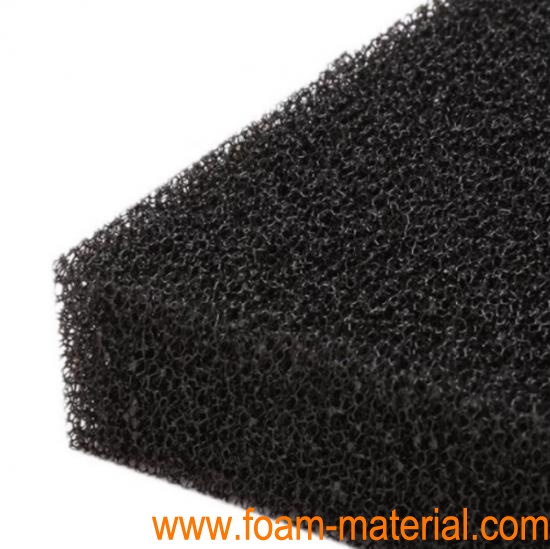
Graphite foams are lightweight, porous carbon-based materials characterized by high thermal conductivity, low density, and exceptional chemical stability. Unlike conventional solid graphite, these foams feature an interconnected network of pores that provide a large surface area, low thermal resistance, and efficient heat dissipation. They have become essential in modern engineering and manufacturing sectors, particularly for thermal management applications in electronics, aerospace, automotive, and energy storage systems. The unique combination of mechanical stability, thermal performance, and chemical inertness makes graphite foams an ideal solution for challenging environments.
Features
Graphite foams are designed to meet rigorous performance requirements. Key features include:
High Thermal Conductivity: The foam structure allows rapid heat transfer along the interconnected graphite network, making it highly efficient for thermal management.
Lightweight and Porous: Low density combined with a porous network provides structural efficiency without sacrificing strength.
Chemical and Thermal Stability: Resistant to oxidation, corrosion, and high temperatures, allowing use in extreme conditions.
Customizable Pore Structure: Pore size, density, and orientation can be tailored for specific applications to optimize heat transfer and fluid flow.
Mechanical Strength: Despite its porous structure, graphite foam maintains structural integrity under moderate loads, suitable for support and cushioning applications.
Compatibility with Coatings and Composites: Graphite foams can be integrated with metals, ceramics, or polymer matrices for enhanced properties and application flexibility.
Manufacturing Process
The production of graphite foams involves several precise steps to achieve optimal porosity, mechanical strength, and thermal conductivity:
Precursor Selection: Carbon-rich materials, such as mesophase pitch or polymer resins, are chosen as the starting point for foam formation.
Foaming: The precursor undergoes controlled thermal expansion to create an open-cell porous structure. This may involve chemical blowing agents or physical expansion techniques.
Carbonization: The foam is heated under inert gas or vacuum conditions to convert the precursor into carbon while retaining the foam structure.
Graphitization: High-temperature treatment (typically 2500–3000°C) transforms the carbon into graphite, enhancing thermal conductivity and mechanical properties.
Post-Treatment: Optional processes include machining, coating, or impregnation to tailor the foam for specific applications or improve durability.
Carbon Foam Batteries
Applications
Graphite foams are widely applied in industries where thermal management, lightweight structures, and chemical stability are critical:
Thermal Management: Used in heat sinks, heat exchangers, and thermal interface materials for electronics, LED devices, and high-power circuits.
Energy Storage: Components for fuel cells, batteries, and supercapacitors, where heat dissipation and structural support are essential.
Aerospace and Automotive: Lightweight, thermally conductive panels and components for spacecraft, aircraft, and high-performance vehicles.
Industrial Processing: Catalyst supports, filtration, and high-temperature insulation applications in chemical and metallurgical processes.
Research and Development: Experimental materials for thermal management, energy devices, and high-temperature applications.
Advantages
Using graphite foams offers multiple advantages over traditional materials:
Superior Thermal Performance: High thermal conductivity and low thermal resistance enable efficient heat transfer and cooling.
Lightweight Design: Reduces weight without compromising mechanical integrity, ideal for aerospace and automotive applications.
Durability in Harsh Environments: Resistant to chemical attack, oxidation, and high temperatures, extending service life.
Customizable Structure: Pore size, density, and orientation can be tailored for specific thermal or mechanical requirements.
Integration Flexibility: Compatible with composites, coatings, or metallization for multifunctional applications.
Energy Efficiency: Enhances cooling performance in devices, reducing energy consumption and improving reliability.
Conclusion
Graphite foams are a highly versatile and advanced material offering exceptional thermal, mechanical, and chemical properties. Their lightweight, porous structure combined with high thermal conductivity makes them indispensable for modern engineering applications, from electronic cooling and energy storage to aerospace and industrial processes. With the ability to customize pore structure, integrate with other materials, and withstand extreme conditions, graphite foams provide innovative solutions for efficient heat management, structural support, and high-performance material applications. Their unique combination of properties ensures that they remain a critical component in cutting-edge technologies and industrial solutions.


 Daisy@foam-material.com