Engineers often struggle to balance structural integrity with lightweight design in high-performance applications. Selecting the right aluminum foam requires precise control over physical properties to ensure effective heat dissipation or impact absorption. Whether you are developing prototypes for automotive safety or optimizing thermal management systems, understanding material parameters is critical to project success. This guide examines how specific porosity levels impact the overall performance of this metal in technical environments.
The primary value of utilizing aluminum foam lies in its unique combination of low density and high mechanical strength. This material functions effectively as a cellular structural aluminum component because it distributes loads evenly across its internal network. Most R&D teams prioritize a porosity range between 55% and 98% to achieve the specific density required for their prototypes. Engineers should review the full range of options to determine which configuration matches the load-bearing or acoustic requirements of their project.
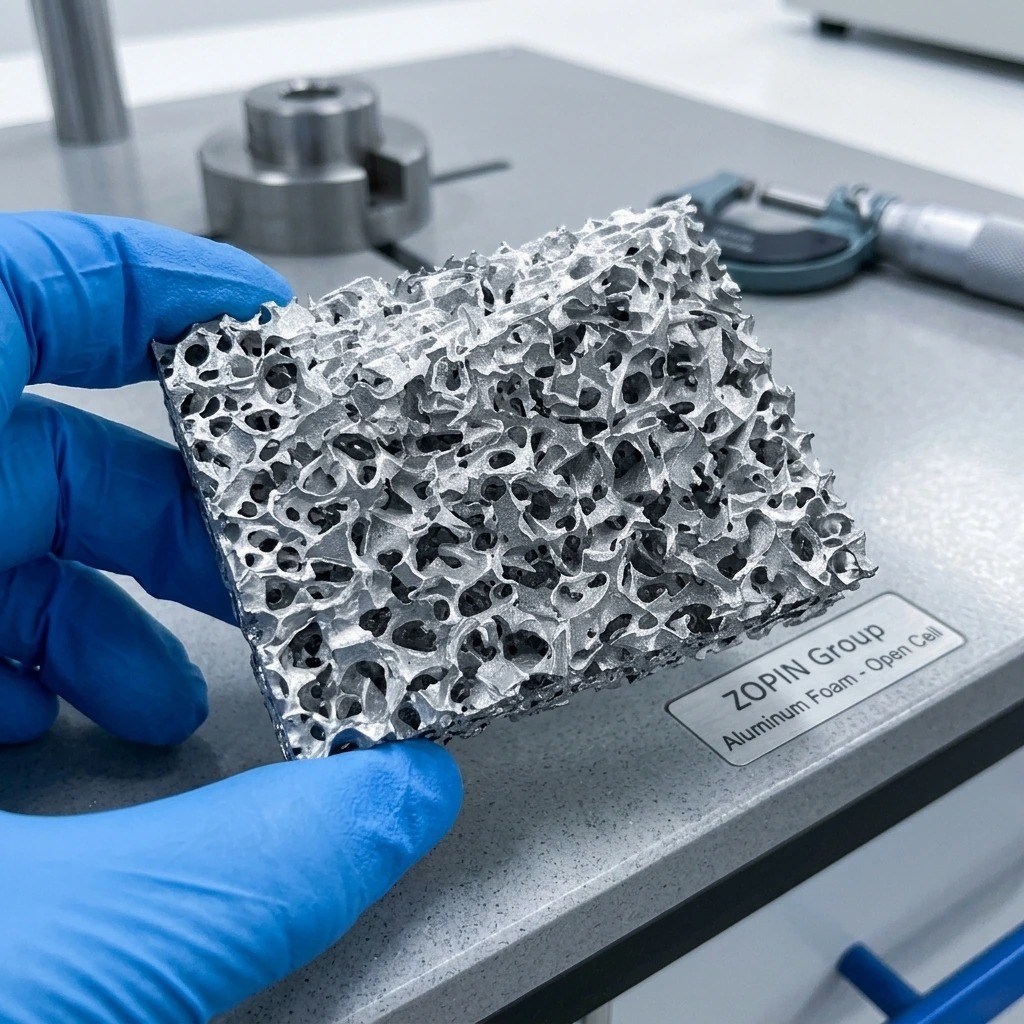
When integrating these materials into laboratory setups, you must assess how the geometry of the cellular structure influences energy absorption. A crashworthy metal foam provides high plateau stress during compression, which is essential for protecting delicate components in a collision or high-impact scenario. You should analyze the stress-strain curve of your chosen sample to ensure it meets the required energy dissipation threshold. Maintaining consistent cell uniformity across the material ensures that the mechanical response remains predictable during rigorous testing.
Many advanced thermal designs rely on a heat exchanger aluminum matrix to facilitate efficient energy transfer. By leveraging the large surface area of the foam, these systems move heat away from critical electronics or power sources more effectively than solid metal counterparts. If your project requires a specific porous aluminum core, you should opt for custom specifications rather than generic stock sizes. For instance, you can tailor the pore density to optimize flow resistance, which improves the overall efficiency of your thermal management assembly. Review the available options for to align production specs with your laboratory requirements.
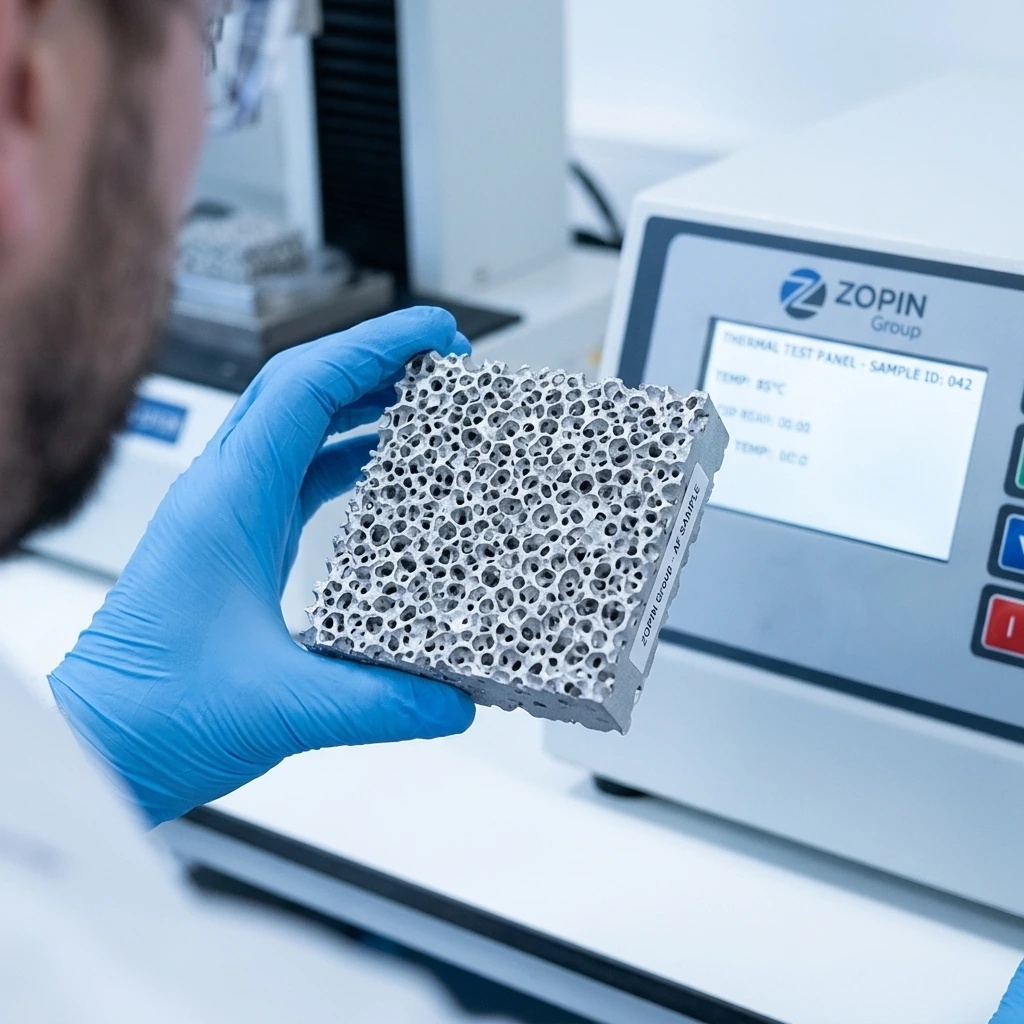
Engineers should conduct a compression analysis on the crashworthy metal foam sample first. This ensures the material's plateau stress aligns with your simulation data, preventing unexpected deformation during initial impact trials.
Yes, we offer customization for the geometry and thickness of the material. Adjusting the pore density allows you to fine-tune the thermal conductivity for your specific heat exchanger aluminum matrix design.
We maintain standard inventory for most porosity grades, enabling rapid dispatch. Orders are typically processed within 24 hours, and we accommodate small quantities for research and development purposes.

Copyright © Xiamen Zopin New Material Limited. All Rights Reserved.
the professional team to service !

 Daisy@foam-material.com