Procurement teams evaluating protective structures often face wide quote variations without clear technical explanations. Balancing blast mitigation and weight savings against raw material expenses requires transparent data. The actual composite metal foam price depends primarily on alloy choice, pore size, and final plate thickness. Direct manufacturer sourcing removes distributor margins and clarifies real fabrication costs. This analysis breaks down key budget drivers and delivery expectations for technical buyers.
Cellular geometry directly drives basic manufacturing costs. Porosity rates, pore density, and matrix metals like aluminum or steel determine machine cycle times. Choosing specialized alloys from our portfolio influences overall outlay. Higher purity levels increase material preparation time.
Thickness and dimension requirements also alter project quotes. Standard sheets carry lower preparation expenses than heavy structural blocks. Extra rolling passes or wire EDM trimming add labor to custom orders. Production volume shifts unit rates significantly.
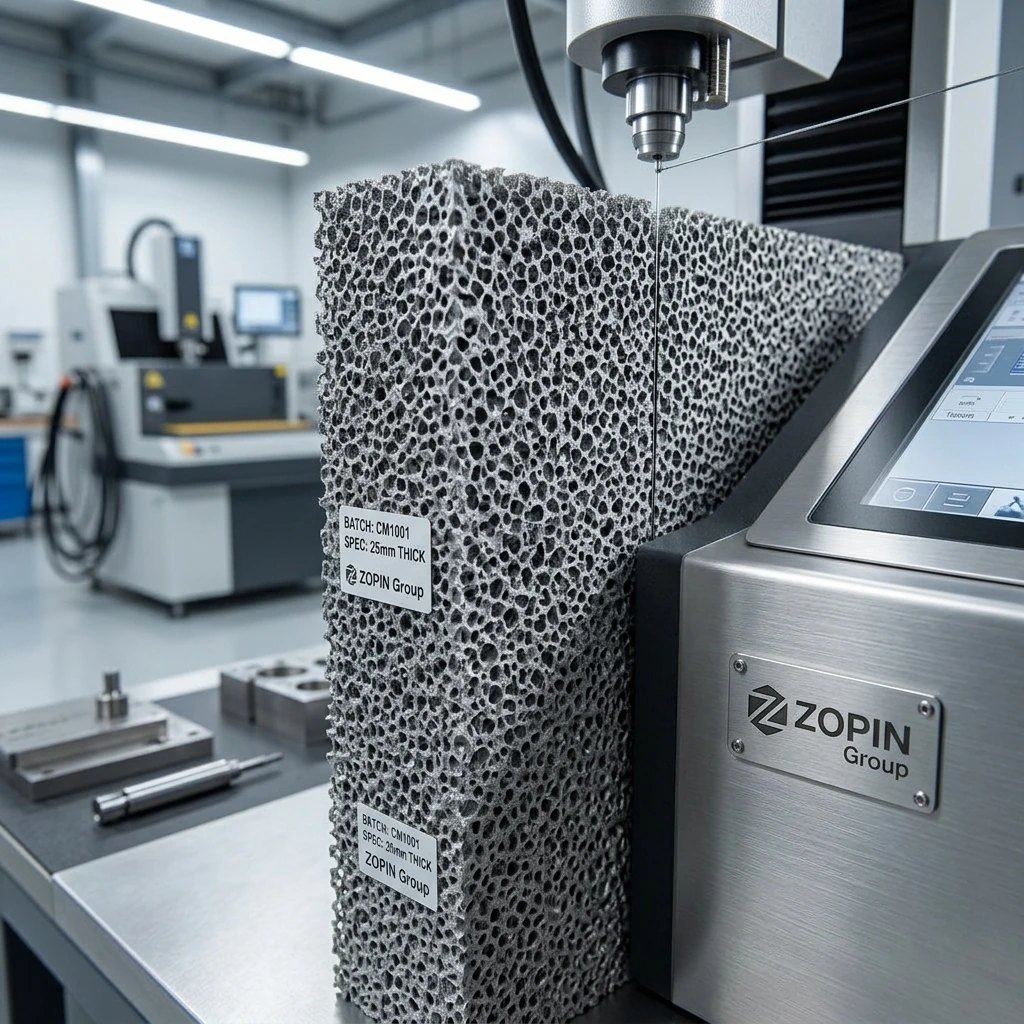
Order scale dictates machine setup amortization across sheets. Prototype runs carry tooling charges that drop substantially during full production runs. Direct factory processing helps keep bulk runs cost competitive.
Protective assemblies combine porous metal cores with ceramic or hardened faces. Estimating overall cmf armor panel cost requires evaluating impact thresholds alongside base alloy mass. Metal foam layers absorb kinetic energy through controlled deformation, protecting surrounding structures.
Engineering requirements determine core density and bonding techniques. Thicker plates provide greater blast resistance for tactical shelters and vehicle floors. You can explore complete protective options under for tailored protection setups.
Rigorous shock mitigation testing ensures field performance. Each protective batch undergoes quality verification before shipment. Certified ballistic integrity ensures project compliance without unexpected downstream replacements.
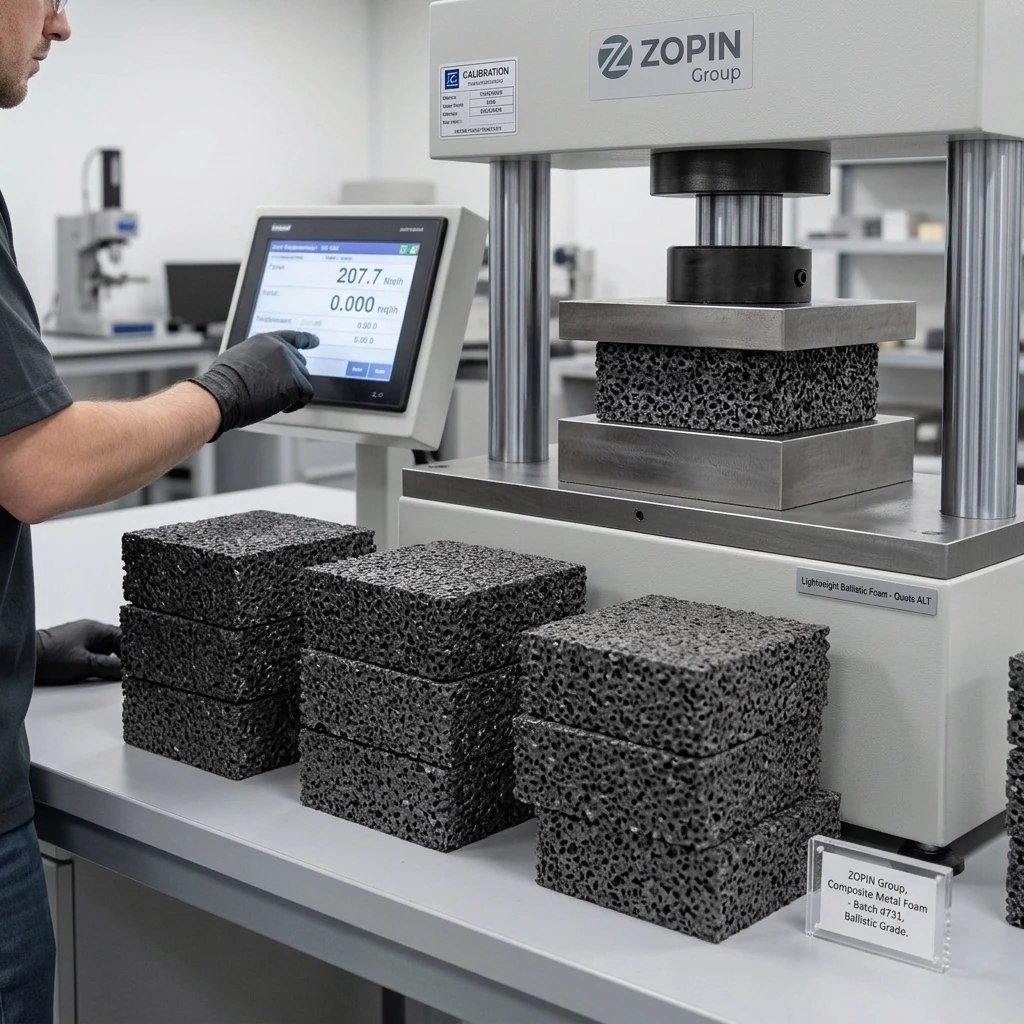
Small engineering trials often struggle with rigid supplier minimums. Our manufacturing lines accommodate early evaluation runs with a low MOQ of 1 sheet. For tailored porosity and specialized formats, visit to match mechanical requirements.
Customized orders generally ship within two weeks, while standard trial samples process inside 24 hours. Export crating protects cell structures during international transit. Our export staff coordinates door delivery to prevent handling delays. Direct technical communication resolves processing questions before metal pouring begins.
Engineering buyers should specify dimensions, target porosity percentage, core alloy grade, and impact resistance specifications. Clear boundary dimensions ensure accurate alloy allocation and trimming calculations.
Prototype quantities carry individual machine calibration expenses, resulting in higher initial piece costs. Volume orders distribute setup times across square meters, lowering unit costs.
Standard quotes cover protective export wooden crates and complete shipping documentation. Small evaluation batches dispatch quickly, while custom production runs ship within two weeks.

Copyright © Xiamen Zopin New Material Limited. All Rights Reserved.
the professional team to service !

 Daisy@foam-material.com