Xiamen Zopin New Material Limited Established in 2011, it is a new material industry with capabilities of independent research & development, production and sales as one. Our ISO9001:2012 factory covers an area of 6 hectares and a building area of 28,000 square meters, with annual production of high-performance metal foams of 250,000 square meters. Our R&D team is composed of academicians and experts from Tsinghua University, Polytechnic University of Hong Kong, Nanyang Technological University, and other domestic and foreign metal foam professionals. After many years’ endeavor, we now own our proprietary intellectual property rights in manufacturing high purity and high porosity metal foams.
Graphene Foam Price :Overview and Factors Influencing Cost
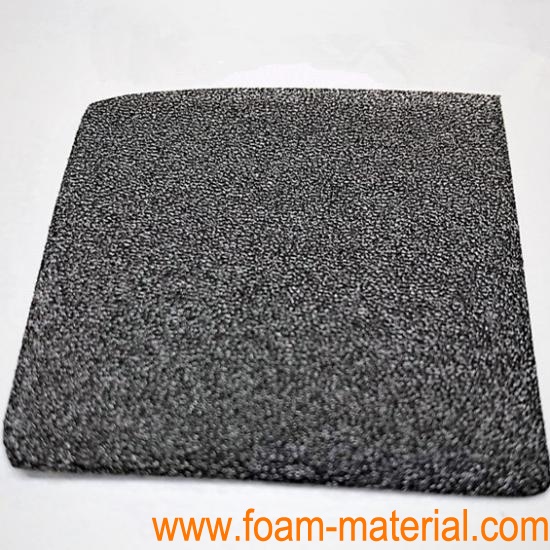
Graphene foam is an advanced material that combines the unique properties of graphene (high electrical and thermal conductivity, mechanical strength, and surface area) with a porous foam structure. This makes it highly valuable for applications in energy storage, thermal management, aerospace, electronics, and environmental remediation. However, the price of graphene foam can vary significantly depending on several factors.
Below is a detailed overview of the current pricing landscape for graphene foam, along with the factors influencing its cost.
●1. Current Price Range of Graphene Foam
As of 2025, the price of graphene foam typically ranges from $50 to $500 per gram, depending on:
The quality and purity of the graphene used.
The complexity of the manufacturing process.
The specific application requirements (e.g., pore size, density, conductivity).
For industrialscale applications, prices may decrease when purchased in bulk, but they are still higher than traditional materials like aluminum or copper due to the advanced nature of graphene foam production.
●2. Factors Influencing the Price of Graphene Foam
A. Quality and Purity
Highpurity graphene foam, often required for sensitive applications like battery electrodes or supercapacitors, commands a premium price.
Lowerpurity versions, suitable for less demanding applications (e.g., heat sinks or structural components), are more affordable.
B. Manufacturing Process
The method used to produce graphene foam directly impacts its cost:
Chemical Vapor Deposition (CVD): Produces highquality graphene foam but is expensive due to the need for specialized equipment and high temperatures.
Hydrothermal Synthesis: A more costeffective method but may result in lowerquality foam.
Electrochemical Exfoliation: Emerging as a scalable and relatively inexpensive technique but requires further optimization.
C. ApplicationSpecific Customization
Tailoring graphene foam for specific applications (e.g., adjusting pore size, density, or conductivity) increases costs due to additional processing steps.
D. Scalability
Smallscale production is more expensive due to limited economies of scale. As demand grows and production scales up, prices are expected to decrease.
E. Market Demand
High demand from emerging industries like electric vehicles, renewable energy storage, and aerospace drives up prices.
Competition from alternative materials (e.g., carbon fiber foam, graphite foam) influences pricing dynamics.
F. Geographical Location
Prices can vary based on regional differences in labor, raw material costs, and access to advanced manufacturing facilities.
Graphene Foam Accept Customization
●3. Typical Applications and Associated Costs
| Application | Price Range ($/gram) | Description |
||||
| Battery Electrodes | $100–$500 | Highpurity foam required for lithiumion and solidstate batteries. |
| Supercapacitors | $80–$400 | Large surface area and conductivity needed for rapid charge/discharge cycles. |
| Heat Sinks | $50–$200 | Lowerpurity foam sufficient for thermal management systems. |
| Environmental Remediation | $60–$300 | Used for water filtration and air purification; cost depends on customization. |
| Aerospace Components | $150–$500 | Lightweight, highstrength foam for structural and thermal applications. |
●4. Strategies to Reduce Costs
A. ScaleUp Production
Investing in largescale manufacturing facilities can reduce unit costs through economies of scale.
B. Alternative Precursors
Using cheaper precursors (e.g., wastederived carbon sources) can lower raw material costs.
C. Process Optimization
Improving existing manufacturing processes to increase yield and reduce energy consumption.
D. Recycling
Developing methods to recycle graphene foam from endoflife products could create a secondary market and reduce overall costs.
E. Government Support
Subsidies, grants, and research funding can help lower the barrier to entry for companies producing graphene foam.
●5. Future Price Trends
As technology advances and production scales up, the price of graphene foam is expected to decrease over time. Key drivers include:
Improved manufacturing techniques that reduce costs while maintaining quality.
Increased adoption across industries, leading to higher demand and economies of scale.
Development of hybrid materials that combine graphene foam with cheaper alternatives (e.g., carbon fiber or polymer foams).
However, the price will likely remain higher than traditional materials due to the advanced properties and complex production processes involved.
●6. Conclusion
Graphene foam is a highperformance material with immense potential across various industries. While its current price range reflects the advanced nature of its production, ongoing research and development aim to make it more accessible and costeffective. For those considering graphene foam for their projects, understanding the factors influencing its cost and exploring available options can help optimize both performance and budget.
If you're evaluating graphene foam for your application, consider consulting suppliers or manufacturers to get precise quotes based on your specific requirements. For further details or assistance, feel free to ask!


 Daisy@foam-material.com