Procurement teams face constant trade-offs between pressure drop and adsorption speed when selecting filtration media. Granular beds often settle, cause channeling, and demand excessive fan power. In contrast, activated carbon foam combines an open interconnected skeleton with micro-porosity to deliver fast mass transfer at high face velocities. Sourcing the right grade requires balancing pore metrics, mechanical durability, and production scalability. This report provides an engineering perspective on auditing porous carbon substrates for industrial gas scrubbing, solvent recovery, and water processing systems.
The functional value of this media comes from its reticulated framework. Unlike dense carbon blocks, this adsorptive porous carbon features continuous channels that allow fluids to flow freely with negligible backpressure. It prevents channeling defects commonly seen in loose packed beds.
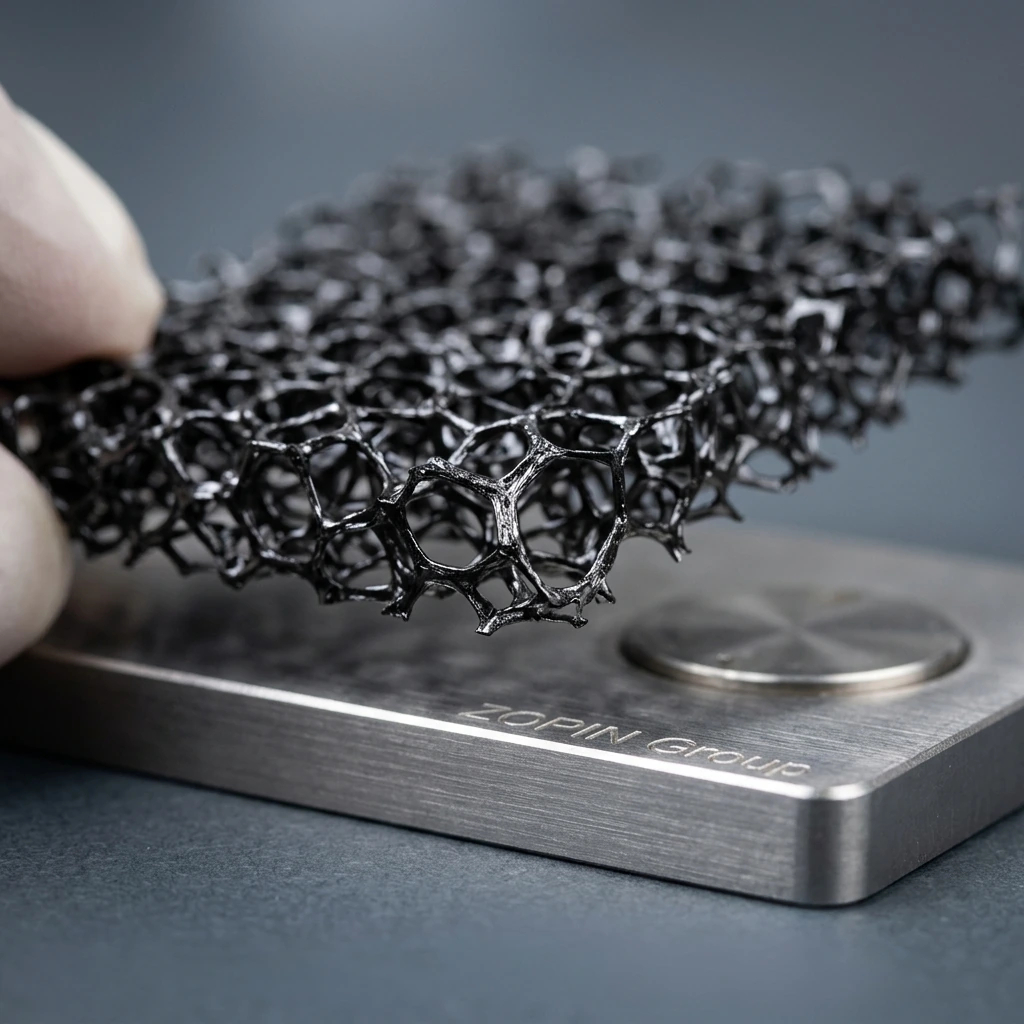
Within each structural strut lies a high surface area carbon matrix. Gas molecules diffuse rapidly into these micropores during dynamic flow. Industrial installations achieve higher capture rates at lower blower loads, which directly reduces operating expenditure. Engineers often source standard sheets from categories to prototype inline filter modules.
Air treatment equipment requires steady capture of volatile organic compounds without frequent maintenance stops. Utilizing a dedicated voc removal carbon filter made from carbonized foam cores ensures uniform contact time across the entire duct cross section.
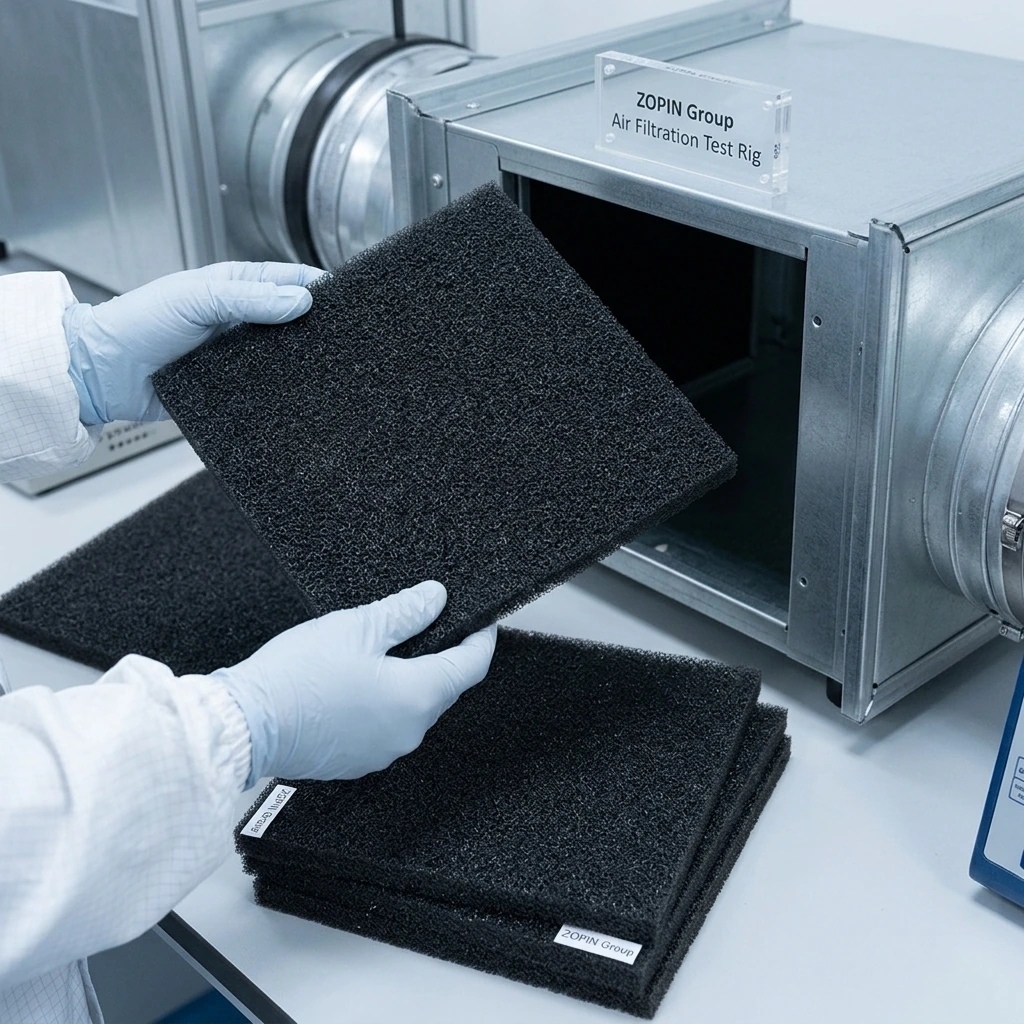
Facilities dealing with recurring exhaust streams frequently implement a regenerable carbon filter foam. Thermal desorption or inert gas purge cycles strip out captured solvents, restoring baseline capacity across repetitive runs. Specialized projects often examine related or hybrid composite layouts under the program to optimize pore size per inch and mechanical integrity against moist air streams.
Evaluating vendor capabilities requires looking beyond raw surface area numbers. Carbon matrices must resist shedding under continuous high-velocity air streams to prevent downstream line contamination. Friability tests confirm whether ligaments remain stable under cyclic pressure pulses.
Suppliers should provide verified pore distribution profiles and consistent dimensional tolerances. Verifying certified quality management systems like ISO 9001 guarantees reliable batch consistency for serial production. Low initial minimum order quantities allow pilot verification before entering full supply agreements.
Custom cutting services accommodate varied shapes, sheet thicknesses, and pore densities to fit existing filter tracks without sheet modification.
These structures withstand operating temperatures up to several hundred degrees Celsius under inert conditions, tolerating repetitive thermal purge cycles without ligament collapse.

Copyright © Xiamen Zopin New Material Limited. All Rights Reserved.
the professional team to service !

 Daisy@foam-material.com