Xiamen Zopin New Material Limited Established in 2011, it is a new material industry with capabilities of independent research & development, production and sales as one. Our ISO9001:2012 factory covers an area of 6 hectares and a building area of 28,000 square meters, with annual production of high-performance metal foams of 250,000 square meters. Our R&D team is composed of academicians and experts from Tsinghua University, Polytechnic University of Hong Kong, Nanyang Technological University, and other domestic and foreign metal foam professionals. After many years’ endeavor, we now own our proprietary intellectual property rights in manufacturing high purity and high porosity metal foams.
Carbon Cloth: Overview, Features, Manufacturing, Applications, Advantages, and Conclusion
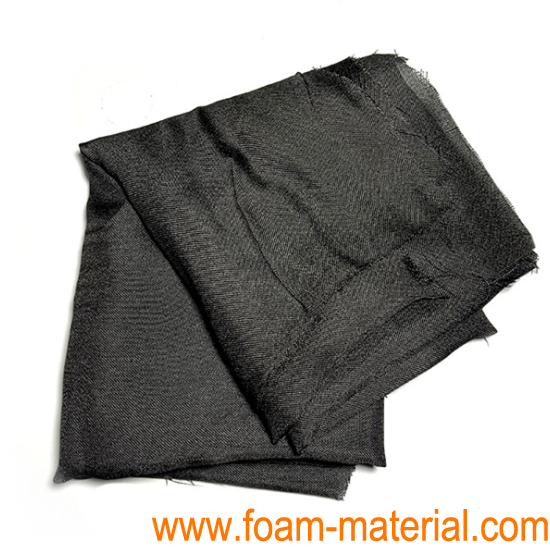
Carbon cloth is a high-performance carbon-based material characterized by excellent electrical conductivity, chemical stability, and mechanical flexibility. Composed of woven or non-woven carbon fibers, carbon cloth combines the superior properties of carbon with a textile-like structure, making it highly versatile for energy, environmental, and industrial applications. Its lightweight, porous, and flexible nature allows it to serve as a key component in advanced energy devices, filtration systems, and catalysis.
Overview
Carbon cloth is typically fabricated from polyacrylonitrile (PAN)-based or pitch-based carbon fibers through carbonization and graphitization processes. The resulting cloth exhibits high electrical and thermal conductivity, low density, and remarkable mechanical strength. Its woven or felted structure ensures uniformity, flexibility, and high surface area, making it suitable for use as electrodes, gas diffusion layers, or reinforcement materials. Carbon cloth has become essential in modern electrochemical systems, fuel cells, supercapacitors, and chemical reactors due to its unique combination of conductivity, stability, and porosity.
Key Features of Carbon Cloth
Several distinguishing features make carbon cloth a versatile material:
High Electrical Conductivity: Enables efficient electron transport in batteries, fuel cells, and supercapacitors.
Excellent Thermal Conductivity: Promotes heat transfer in thermal management and energy devices.
Chemical and Corrosion Resistance: Resistant to acids, bases, and oxidative environments, extending durability.
Mechanical Flexibility and Strength: Can be bent, folded, or shaped without losing integrity.
Porous and Lightweight: Offers high surface area and permeability for fluid or gas transport.
High Temperature Stability: Maintains structural and chemical properties under elevated temperatures in inert atmospheres.
Manufacturing Process
The production of carbon cloth involves several key steps:
Fiber Selection: High-quality PAN or pitch-based carbon fibers are selected for conductivity and mechanical properties.
Weaving or Non-Woven Formation: Fibers are woven into a cloth or formed into a non-woven felt to create a uniform, flexible mat.
Stabilization: Fibers are oxidized and stabilized at moderate temperatures to prepare for carbonization.
Carbonization: The stabilized fiber cloth is heated in an inert atmosphere to remove non-carbon elements and produce a carbon-rich structure.
Graphitization (Optional): High-temperature treatment converts carbon into a graphitic structure, enhancing conductivity and thermal properties.
Cutting and Finishing: The cloth is trimmed, coated, or treated according to specific application requirements.
These steps ensure uniformity, high conductivity, and mechanical integrity suitable for industrial and research applications.
Fuel Cell Electrode Cloth
Applications
Carbon cloth is widely used in various industries due to its multifunctional properties:
Energy Storage and Conversion: Acts as electrodes and gas diffusion layers in fuel cells, lithium-ion batteries, supercapacitors, and flow batteries.
Catalyst Support: Provides high-surface-area substrates for catalysts in chemical reactions and electrochemical processes.
Thermal Management: Serves as heat spreaders, conductive fillers, or thermal insulation in advanced devices.
Environmental Applications: Used in filtration, pollutant absorption, and gas separation.
Flexible Electronics: Enables bendable and wearable electronic components.
Structural Reinforcement: Reinforces composites or other materials requiring lightweight, conductive support.
Advantages
The main advantages of carbon cloth include:
Superior Conductivity: Excellent electrical and thermal transport for energy and electronic applications.
Mechanical Flexibility: Can be shaped and integrated into complex devices without damage.
Chemical and Thermal Stability: Durable under corrosive conditions and elevated temperatures.
Lightweight and Porous: Reduces device weight while enhancing gas or fluid transport.
High Surface Area: Provides abundant active sites for electrochemical and catalytic reactions.
Versatility: Adaptable for a wide range of industrial, energy, and environmental applications.
Conclusion
In conclusion, carbon cloth is a versatile, high-performance material combining electrical conductivity, mechanical flexibility, chemical stability, and lightweight porosity. Its woven or felted structure provides a high surface area, making it ideal for energy storage devices, catalysis, thermal management, filtration, and flexible electronics. With precise manufacturing techniques ensuring uniformity and performance, carbon cloth continues to be a critical material in modern technological applications, offering durable, efficient, and multifunctional solutions across diverse fields.


 Daisy@foam-material.com