Engineers often struggle to balance structural integrity with efficient heat dissipation in extreme environments. Sourcing the right material requires deep technical vetting to ensure it meets demanding criteria for electrical conductivity and chemical stability. Our team provides specialized material solutions designed to streamline your R&D process and improve project scalability. We share insights on evaluating porous materials to help you make informed procurement decisions for your next high-performance application.
Selecting the correct porous material is vital for applications requiring reliability under stress. Carbon foam serves as a versatile candidate due to its unique combination of properties. This material functions effectively as a conductive porous carbon, offering excellent electrical paths while maintaining a lightweight open-cell structure. Its utility extends to harsh environments because it acts as a chemically inert carbon foam, resisting degradation in many aggressive chemical exposures.
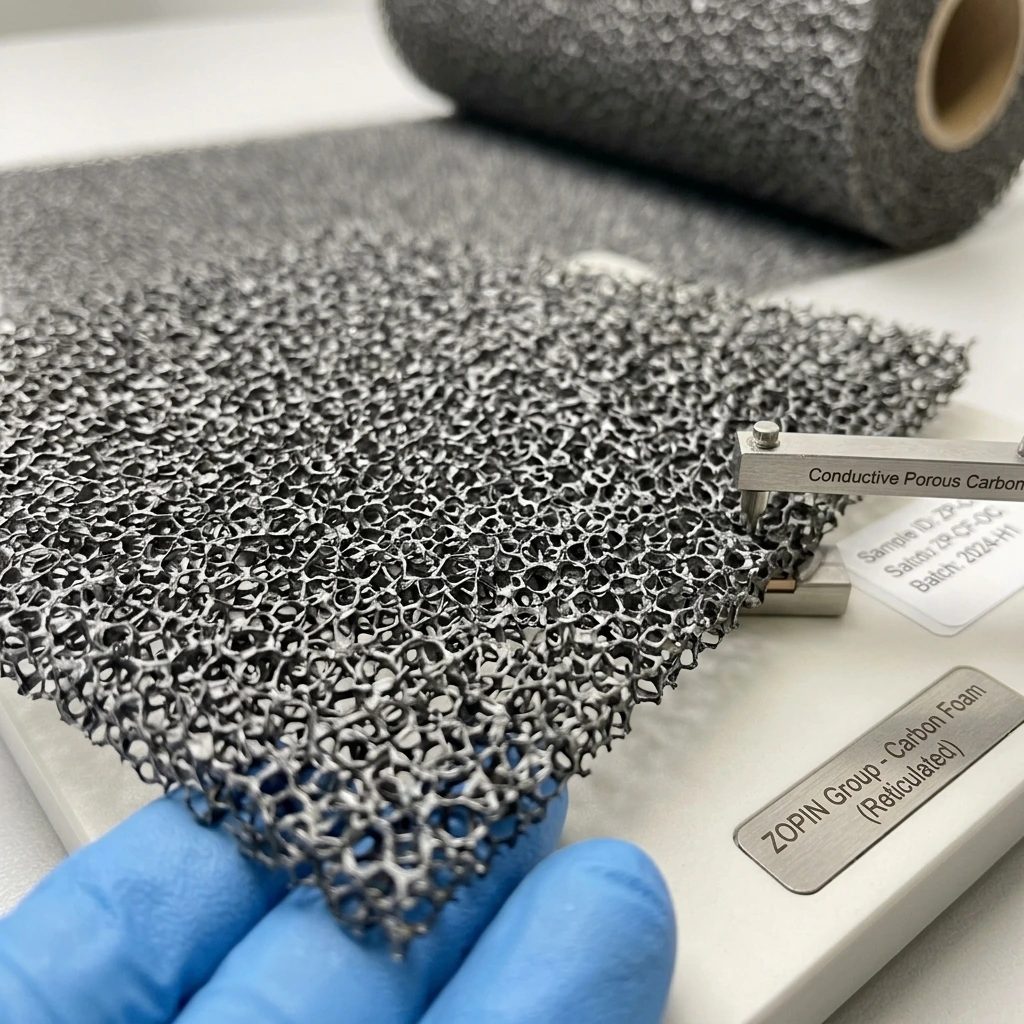
Engineers prioritize these attributes to optimize performance in heat exchangers or electrical components. By understanding the pore architecture and surface area, you can better predict how the material will behave in thermal cycling or fluid flow scenarios. You may explore our selection to review technical specifications relevant to your laboratory or production needs.
The transition toward higher efficiency in energy storage drives the demand for specialized substrates. As a battery electrode carbon matrix, this material provides a stable, high-surface-area foundation for active materials. This configuration enhances reaction kinetics and improves the overall lifecycle of energy storage units. Beyond electrochemical cells, the material finds significant utility in thermal engineering.
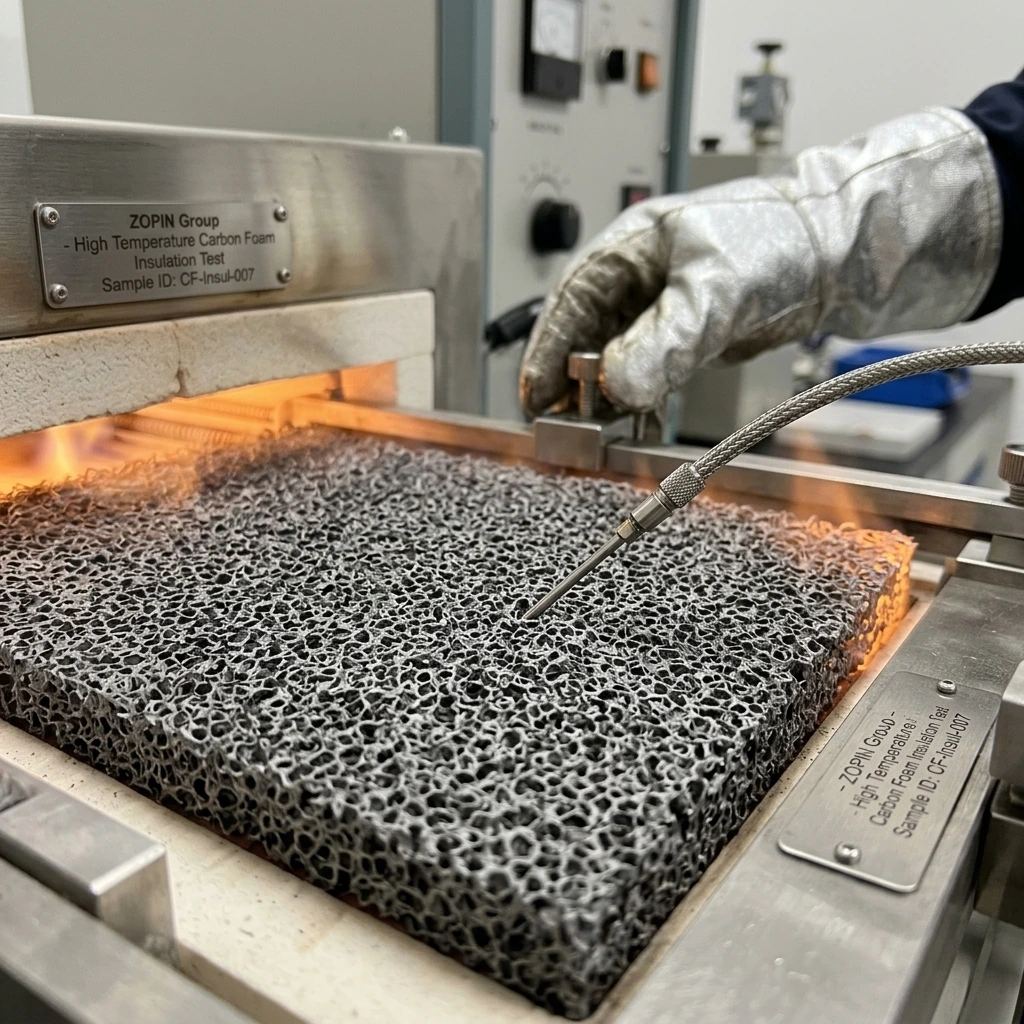
Designers utilize its properties as high temperature carbon insulation to manage heat in sensitive systems. The ability to withstand extreme temperatures without losing structural form makes it an ideal candidate for thermal shielding. You can discover more regarding material integration within our catalog. Integrating these components effectively often requires collaboration with technical teams to ensure specific porosity and density requirements are met for your unique assembly.
Successful material integration relies on consistent quality control and a reliable supply chain. Our production facilities maintain rigorous standards to ensure that every batch meets the required specifications for conductivity and durability. We understand that research projects and industrial lines have different demands regarding volume and lead times. If you have specific requirements for your procurement, please reach out to our to discuss tailored solutions or technical inquiries.
Yes, we cater to both academic and industrial requirements. We maintain a policy that supports small-batch orders for testing, allowing you to validate our carbon foam material in your specific setup before committing to larger production runs.
We adhere to strict quality management systems and provide technical data to support your project documentation. Our production processes focus on maintaining the electrochemical properties required for high-performance applications, and we provide necessary documentation to verify material specs.
Customization is a core part of our service. We offer flexible manufacturing options to adjust parameters such as thickness, pores per inch (PPI), and porosity to match your exact mechanical or thermal design needs.

Copyright © Xiamen Zopin New Material Limited. All Rights Reserved.
the professional team to service !

 Daisy@foam-material.com